

Buying Guides
Best Vacuum Sealing Backpack for Travel & Hiking (2026): Affordable Compression Packs Under $100
Apr
A vacuum sealing backpack solves one of travel’s most persistent headaches: packing too much into too little space. Whether you’re squeezing carry-on luggage rules on a budget airline, prepping a day hiking pack, or commuting with everything you own, a compression backpack changes what’s possible.
This guide breaks down the best affordable vacuum sealing backpacks for travel and hiking in 2026 — under $100. We’ll cover what to actually look for, the top picks at different price points, and the travel accessories that make any trip go smoother.
All gear recommendations link to thesupdesk.com — real products, real prices, shipped directly.
Quick Picks: Best Vacuum Compression Backpacks 2026
| Category | Price Range | Best For | Key Feature |
|---|---|---|---|
| Best Overall Compression Pack | $60–$80 | Travel + Carry-On | Hand-pump vacuum, 40L compresses to 25L |
| Budget Pick Under $40 | $25–$40 | Day hiking | Roll-top compression, waterproof shell |
| Best Waterproof Vacuum Backpack | $70–$99 | Wet weather, camping | IPX4+ rated, vacuum-seal side pockets |
| Best for Commuters | $45–$65 | Daily carry + laptop | 15″ laptop sleeve, compression straps |
What Is a Vacuum Sealing Backpack?
A vacuum sealing backpack uses compression technology — either a built-in hand pump, compression straps, or a roll-seal mechanism — to squeeze air out of your gear, reducing pack volume by 30–50%. Different designs serve different purposes:
- Hand-pump vacuum packs — highest compression ratio, best for travel packing. You manually pump air out through a valve. Takes 60 seconds. Saves the most space.
- Roll-top compression bags — no pump needed. Roll the top down to compress and seal. Waterproof and fast. Popular for hiking and wet conditions.
- Compression strap systems — external straps that cinch the pack volume. Less dramatic compression but keeps packs stable on trails.
- Hybrid vacuum-compression backpacks — combine multiple systems. Usually pricier but more versatile.
Who actually needs one: Budget airline travelers (carry-on maximizers), weekend hikers, digital nomads, students commuting with gear, and anyone who over-packs and then pays bag fees.
🏆 Best Overall: Vacuum Compression Travel Backpack 40L (~$65–$80)
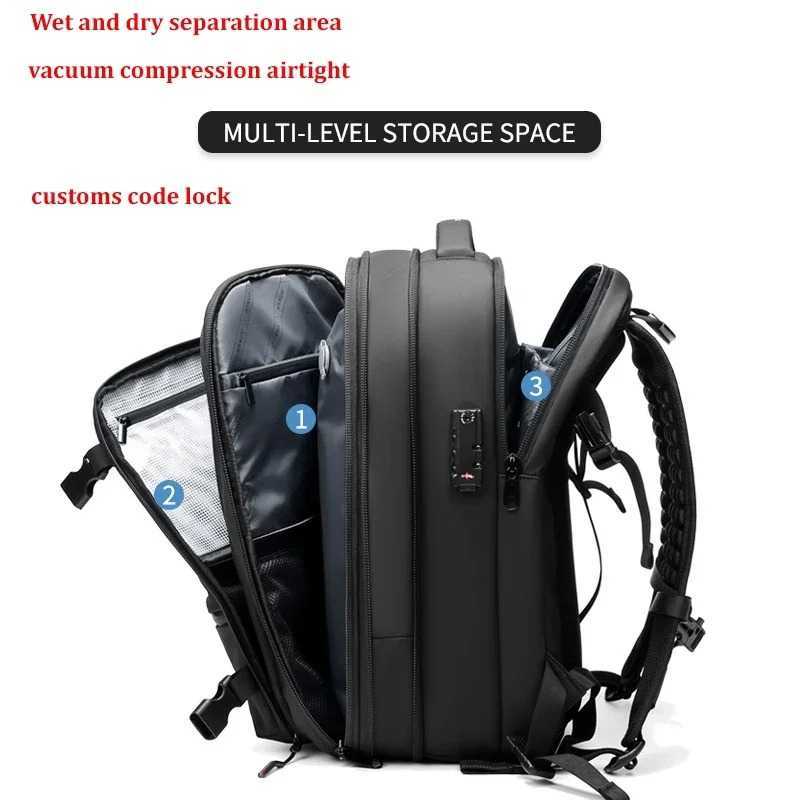
The go-to for carry-on travelers. A 40L vacuum compression backpack with a built-in hand pump valve will compress down to roughly 25–28L, which fits in most airline overhead bins and underseat compartments. The compression is handled by a one-way valve — push a button, pump out the air — no pump bag required.
What to look for at this price:
- One-way valve (not just compression straps — actual air removal)
- Front-access or clamshell zipper for easy packing/unpacking
- Padded shoulder straps + sternum strap for when the pack is full
- TSA-compatible main compartment layout
- Laptop sleeve (13–15″) with separate zipper
| Spec | Detail |
|---|---|
| Volume (uncompressed) | 40L |
| Volume (vacuum compressed) | ~25–28L |
| Compression method | Hand pump valve (built-in) |
| Laptop sleeve | Up to 15″ |
| Weight capacity | ~15 kg (33 lbs) |
| Water resistance | IPX3 splash-resistant |
| Best use | Carry-on travel, weekend trips, digital nomads |
- Cuts 40L down to carry-on size in under 2 minutes
- Works as a day pack or overnight bag when uncompressed
- Laptop sleeve + travel organizer layout
- Saves $25–$60 per flight in checked bag fees
- Pump takes 30–60 seconds per compression cycle
- Valve can wear with heavy use — check warranty
- Not ideal for frameless hiking (no back panel ventilation)
💧 Best Waterproof Vacuum Compression Backpack for Hiking (~$70–$99)
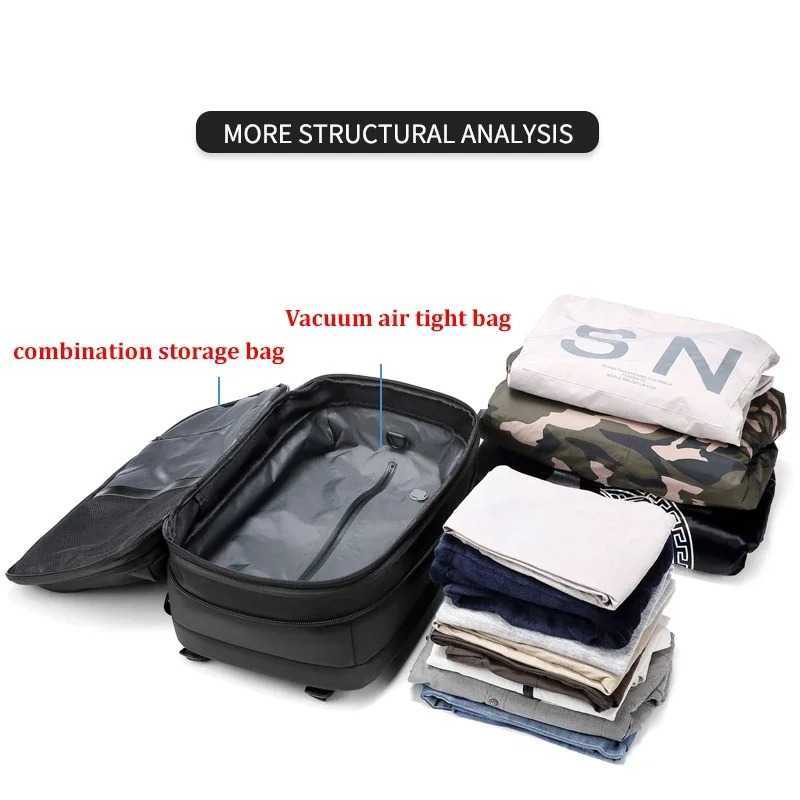
For hiking and camping use, waterproofing matters more than maximum compression ratio. A waterproof vacuum compression backpack typically uses a roll-top or dry-bag-style compression seal combined with IPX4+ rated fabric. This keeps your gear dry on the trail while still cutting volume significantly.
Key specs to verify before buying:
- IPX4 minimum (splash-resistant) — IPX6 for full rain exposure
- Welded seams, not just taped
- External compression straps for load stabilization on trails
- Hydration bladder compatible (most 20L+ models)
- Hip belt for loads over 20 lbs
For day hikes in wet conditions, a 20–25L waterproof compression pack is the sweet spot. Compresses down to 12–15L for light days, expands for overnights.
| Spec | Detail |
|---|---|
| Volume range | 20–25L (compresses to 12–15L) |
| Compression method | Roll-top + side compression straps |
| Waterproofing | IPX4–IPX6 |
| Hydration bladder | Yes (2–3L compatible) |
| Best use | Day hiking, trail running, wet weather camping |
💼 Best Affordable Vacuum Seal Backpack for Commuters (~$45–$65)
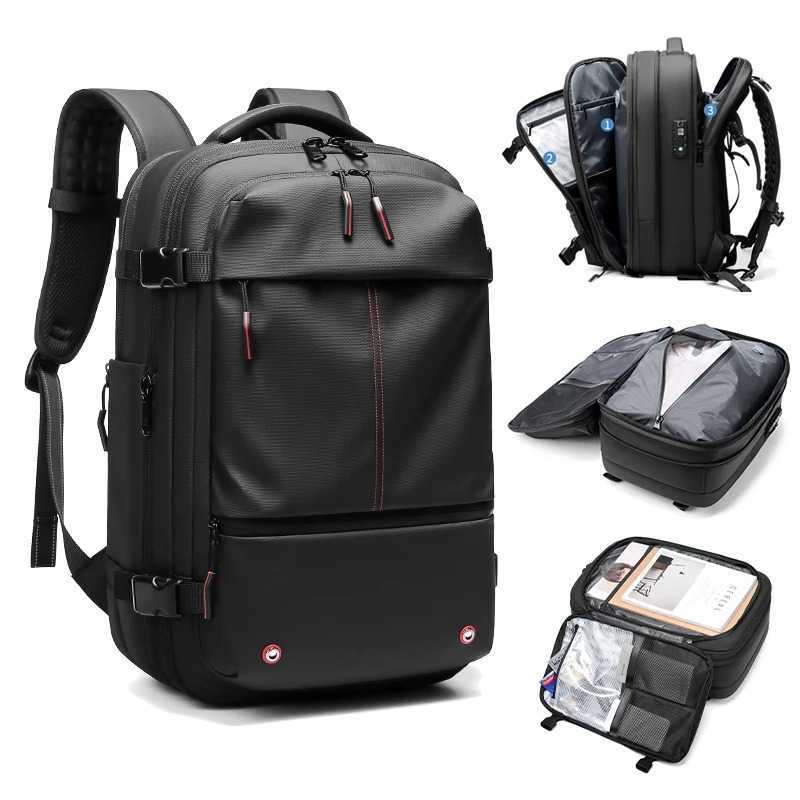
Commuters don’t need the full vacuum compression feature — they need a pack that shrinks when empty and expands when full. Compression strap systems handle this well at the $45–$65 price point. You get a flat, compact profile for the morning subway ride and an expanded 30L capacity for the way home.
What commuters prioritize differently:
- Quick-access pockets — front zip pockets for transit cards, earbuds, phone
- Anti-theft features — hidden zipper pulls, slash-resistant panel
- USB charging port — external port for in-bag power bank
- Breathable back panel — for crowded transit in summer
- 15″ laptop sleeve with shock padding
- Compresses flat in seconds — just release the straps
- Anti-theft zippers on most models
- Under $65 at multiple retailers
- Works as laptop bag + day-trip bag in one
- Compression straps ≠ vacuum — less dramatic size reduction
- Straps can snag on bus/train seats
🔋 Power Up Your Pack: Travel Gear That Pairs With a Compression Backpack
A great compression backpack gets you past the airline size check — but what you put inside matters just as much. Here are the travel accessories worth packing, all available at thesupdesk.com:
1. Portable Power Station for Extended Trips
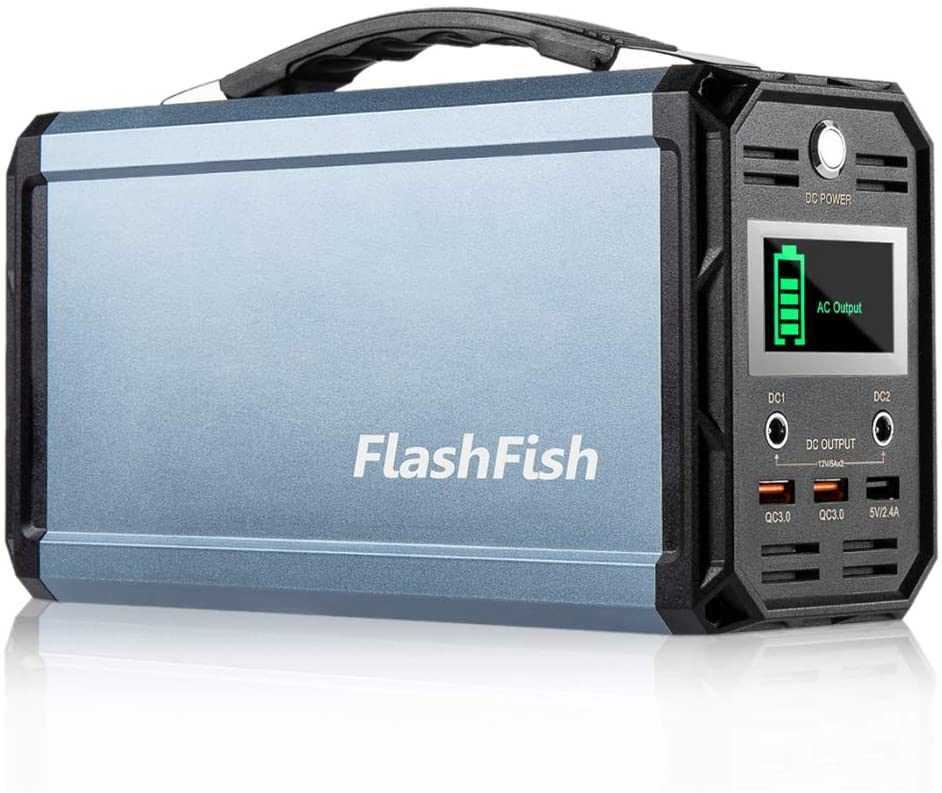
For campers and long-haul travelers, a portable power station is the single most useful thing you can add to a vacuum compression backpack setup. The 300W Portable Power Station (60,000mAh) provides AC outlets, USB-A, USB-C (PD), and 12V DC outputs — enough to charge a laptop 3–4 times, run a CPAP overnight, or keep a drone battery topped up on a multi-day trip.
At $189.99, it pairs with the 50W solar panel (sold separately) for fully off-grid charging.
→ See 300W Power Station at thesupdesk.com ($189.99)
2. Waterproof Mini Headlamp for Hiking & Camping
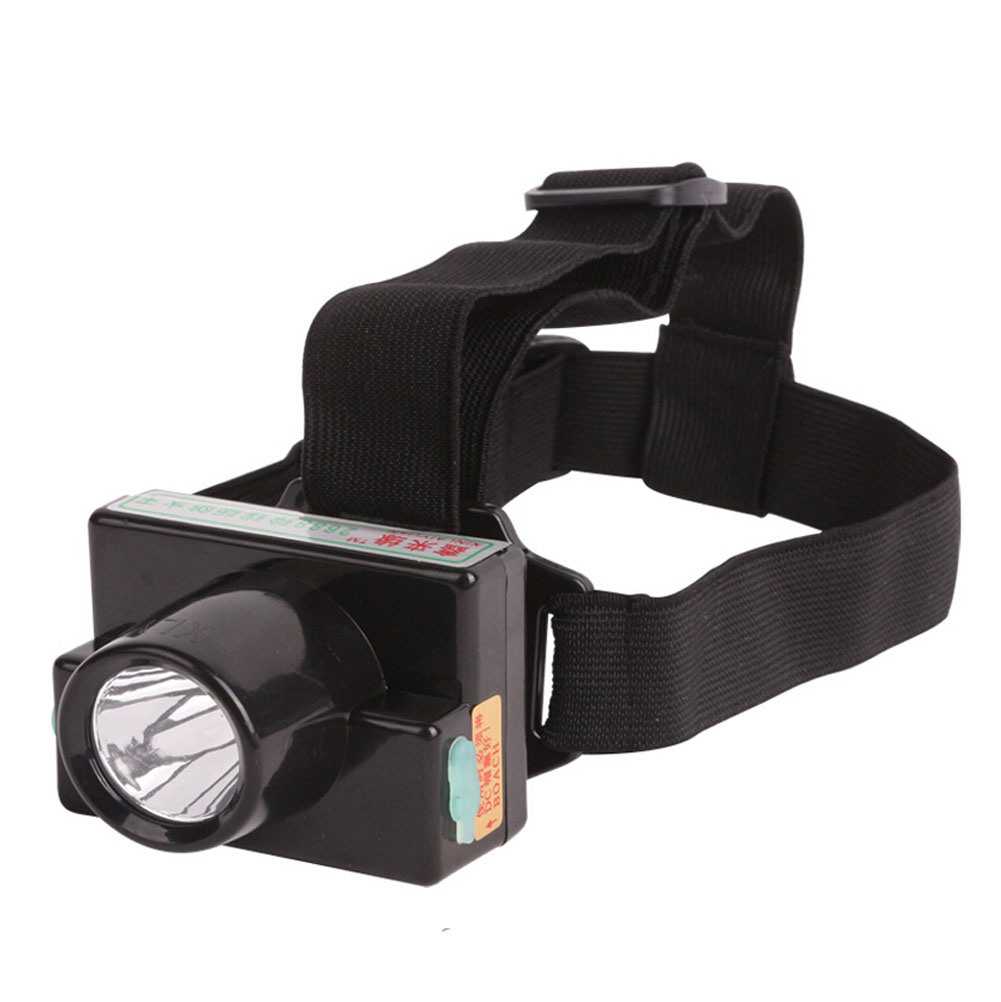
Weighs almost nothing and fits in the top pocket of any compression backpack. The Waterproof Mini Headlamp (3W) is built for camping, fishing, cycling, and trail hiking — waterproof construction, adjustable beam, and enough runtime for a full overnight. At $45.99, it’s an easy add to any hiking pack.
→ See Waterproof Headlamp at thesupdesk.com ($45.99)
3. 240W 4-in-1 USB-C Cable — The Packing Multi-Tool
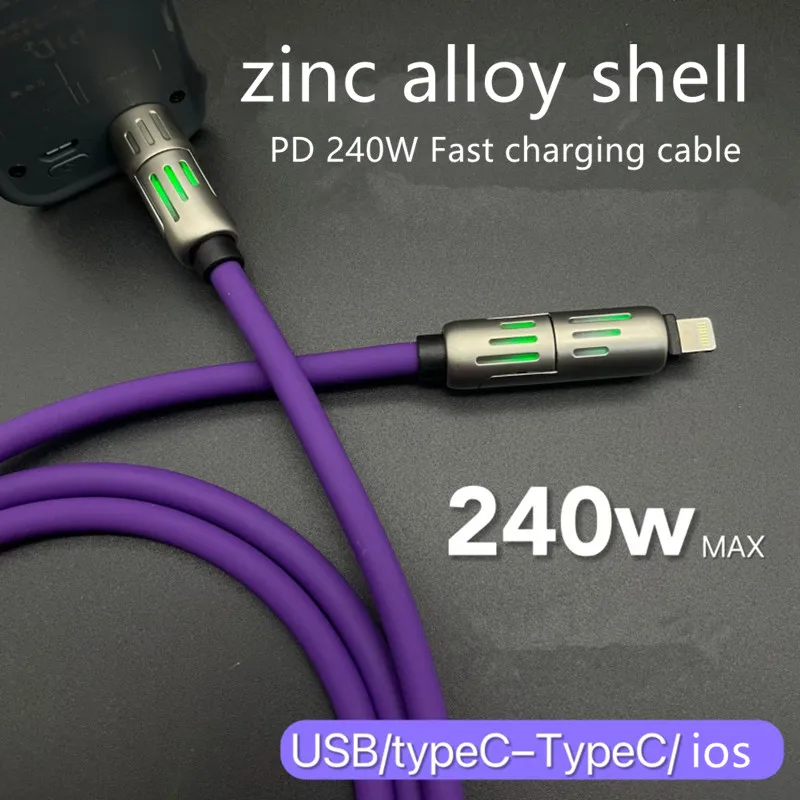
One cable replaces four. The 240W 4-in-1 USB-C Fast Charge Cable handles USB-C, USB-A, Lightning, and Micro-USB in a single cable — $9.99, weighs almost nothing. When you’re packing a vacuum compression bag to minimum volume, every adapter and cable you can eliminate matters.
→ See 4-in-1 Charging Cable at thesupdesk.com ($9.99)
Buyer’s Guide: What to Look for in a Vacuum Sealing Backpack
1. Compression Method
This is the most important decision. True vacuum compression (hand-pump valve) gives the best volume reduction but takes time. Roll-top compression is faster and waterproof but less dramatic. Compression straps are the quickest but provide the least compression.
Rule of thumb: Fighting airline size limits → get a pump-valve vacuum pack. Hiking in rain → get roll-top. Commuting → compression straps are fine.
2. Volume: How Big Do You Actually Need?
| Trip Type | Uncompressed Volume | Compressed Target |
|---|---|---|
| 1–3 day carry-on trip | 35–45L | Under 40L (most airline limits) |
| Day hiking | 20–25L | 12–18L (compressed for light days) |
| Daily commute | 25–30L | 15–20L (flat when empty) |
| Multi-day camping | 50–65L | 35–45L (reduces bulk on approach) |
3. Waterproofing Rating
- No rating — splash resistant at best. Fine for city travel.
- IPX3 — handles light rain. Fine for most uses.
- IPX4 — splash from any direction. Good for hiking.
- IPX6 — high-pressure jets. True wet-weather pack.
4. Build Quality Indicators
- YKK zippers or equivalent (check the zipper pull branding)
- Reinforced bottom panel (sets down on concrete repeatedly)
- Padded laptop sleeve with magnetic closure
- Sternum strap + load lifter straps on shoulder harness
5. Price vs. Feature Trade-offs
| Budget | What You Get | What You Sacrifice |
|---|---|---|
| Under $40 | Roll-top compression, waterproof | No laptop sleeve, no hip belt |
| $40–$70 | Pump valve or roll-top, laptop sleeve | Lighter materials, shorter warranty |
| $70–$100 | Full vacuum system, laptop sleeve, anti-theft | Still not premium materials |
| $100+ | Premium build, proper frame, lifetime warranty | Nothing significant at this tier |
Vacuum Packing Tips: Get the Most Out of Your Compression Backpack
- Layer heaviest items closest to your back. After compression, weight distribution shifts. Heavier gear (laptop, power station) should be at the back panel — not in the vacuum-sealed clothing layer.
- Pack clothes in vacuum bags, not loose. Put clothes in a vacuum compression packing cube inside the main compartment. This way the backpack shell doesn’t stress the seams during compression.
- Don’t vacuum-seal electronics. Tablets, phones, and battery packs need to breathe. Use the structured pockets, not the vacuum-seal zone.
- Leave 10% volume headroom. Vacuum packing to 100% capacity means the bag won’t close when you add anything at the airport.
- Re-compress after every use. The vacuum loses seal naturally — 1 pump every 2–3 days during travel keeps it at minimum volume.
Frequently Asked Questions: Vacuum Sealing Backpacks
Are vacuum sealing backpacks allowed on planes?
Yes. Airlines care about physical dimensions, not volume capacity. A 40L backpack compressed to 25L fits the physical size requirements. Always check your airline’s carry-on dimension limit (usually 22″ x 14″ x 9″ for US carriers) and verify the compressed dimensions, not the uncompressed volume.
How long does the vacuum seal last?
A good pump-valve compression backpack holds seal for 4–8 hours. Re-pumping once per day during travel is normal. Roll-top seals hold indefinitely as long as the roll is tight.
Can I use a vacuum sealing backpack for hiking?
Yes, but prioritize waterproofing over compression ratio for hiking use. A roll-top or compression strap pack is more practical on trail than a pump-valve model — you don’t want to stop and pump your bag mid-hike.
What’s the best affordable vacuum seal backpack for carry-on travel?
Any pump-valve compression backpack in the $60–$80 range that compresses a 40L volume to under airline size limits. Look for clamshell opening, laptop sleeve, and a minimum 3-month warranty on the valve mechanism.
What’s the difference between a vacuum backpack and vacuum packing cubes?
Vacuum packing cubes are compression bags that go inside any backpack. A vacuum sealing backpack is the bag itself, with compression built into the main compartment. For travel, using compression cubes inside a regular backpack often gives more flexibility than a purpose-built vacuum backpack.
Related Posts
- The Ultimate Remote Work Desk Setup Guide 2026 — for travelers working remotely who need portable workspace gear
- Best Budget Drones Under $100 (2026) — drones that pack into a compression backpack for travel photography
- Best Home Security Cameras Under $100 (2026) — keep your home secure while traveling