

Buying Guides
Cheapest Resin 3D Printer for Miniatures Under $200 (2026)
Apr
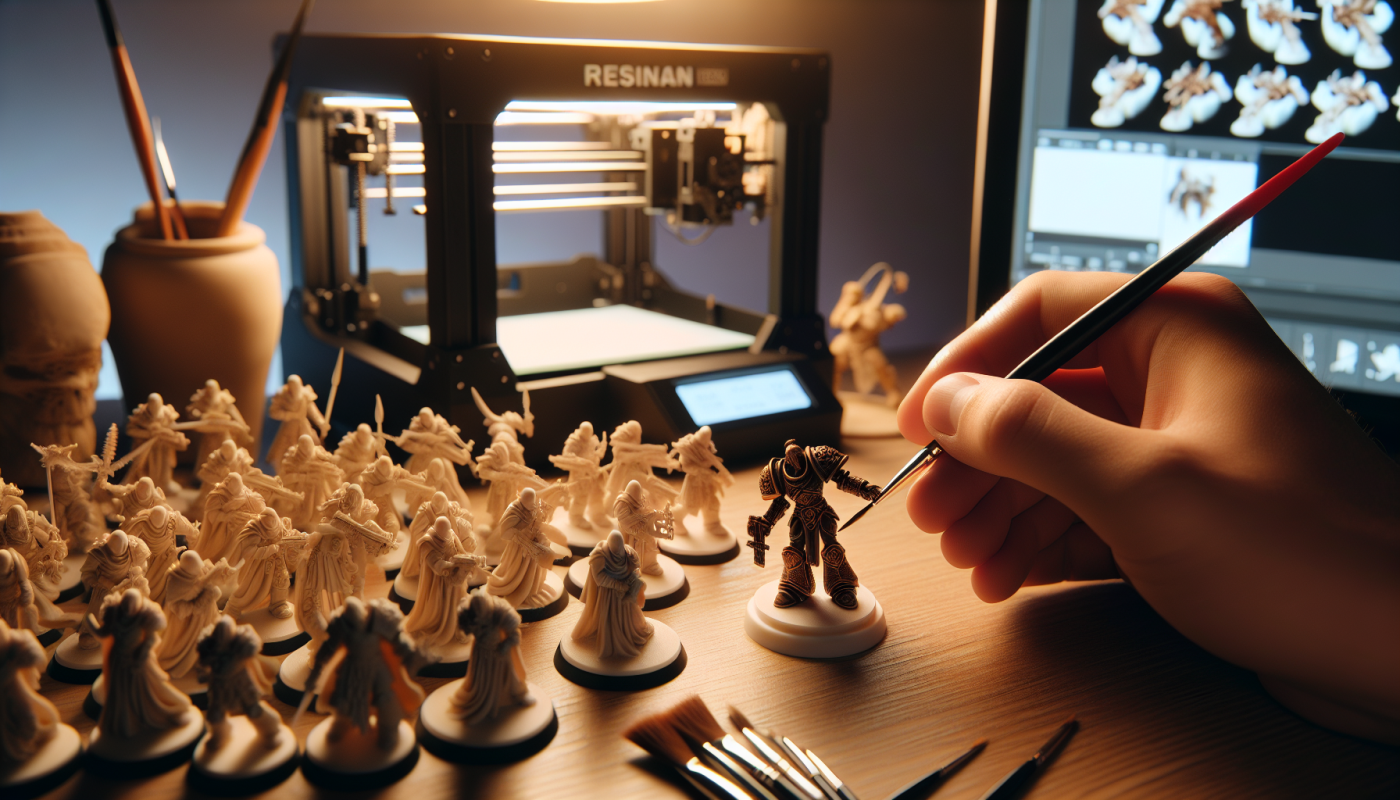
Resin printing changed tabletop gaming. What used to cost $15–$30 per miniature at a hobby shop now prints in hours for cents. The detail quality at 35–50 micron resolution blows FDM out of the water for anything under 28mm scale.
The good news: you can get a capable resin printer for under $200 in 2026. The challenge is knowing which one actually delivers — and which ones frustrate you into abandoning the hobby.
This guide covers the top budget picks for DnD miniatures, Warhammer, and general tabletop gaming, with a clear winner at every price point.
Why Resin Beats FDM for Miniatures
FDM printers (the kind that melt plastic filament) are great for terrain, storage, and large models. But for miniatures with fine detail — a wizard’s beard, scale armor, facial expressions — resin wins decisively.
| Spec | Resin (MSLA) | FDM |
|---|---|---|
| Layer thickness | 25–50 microns | 100–200 microns |
| Surface finish | Smooth, paintable | Visible layer lines |
| Miniature detail | Excellent | Poor–Fair |
| Resin cost | $20–35/kg | — |
| Post-processing | Wash + cure station needed | None required |
| Setup complexity | Moderate | Easy |
If you want miniatures that look like they came from a professional sculptor, resin is the answer. If you want terrain pieces, crates, or dungeon tiles, our FDM printer guide under $200 covers that instead.
What to Look For in a Budget Resin Printer
XY Resolution (the most important spec for miniatures)
This determines how fine your detail is. 35 microns or lower is excellent for 28–32mm scale miniatures. Budget printers in 2026 typically offer 35–51 microns. Avoid anything over 75 microns for miniature work.
Build Volume
For miniatures, you don’t need massive build volume — most minis are small. A plate of 130×80mm or larger lets you print multiple miniatures per run. More area = more minis per print session = more efficiency.
Resin Compatibility
Third-party resin support is non-negotiable. Locked-in proprietary resin doubles your ongoing cost. All picks in this guide support standard 405nm resins from any brand (AmeraLabs, Siraya Tech, Elegoo, Anycubic).
Ease of Setup
Modern budget printers ship mostly assembled. Look for mono LCD screens (faster exposure times), tilt-release FEP systems (less suction force = longer FEP life), and decent slicer software support (Chitubox Free or Lychee Slicer).
Top Picks: Cheapest Resin 3D Printers Under $200 (2026)
| Printer | Price | XY Resolution | Build Volume | Best For |
|---|---|---|---|---|
| Elegoo Mars 4 Ultra | ~$180 | 18 microns | 153×77×165mm | 🏆 Best overall for miniatures |
| Anycubic Photon Mono M5 | ~$150 | 19 microns | 200×122×220mm | 💰 Budget pick — huge build area |
| Creality Halot-One Plus | ~$160 | 29 microns | 172×102×160mm | Beginner-friendly, solid support |
| Phrozen Sonic Mini 8K | ~$200 | 22 microns | 165×72×180mm | Best resolution at this price |
🏆 Best for Miniatures: Elegoo Mars 4 Ultra (~$180)
The Mars 4 Ultra is the standard recommendation for a reason. Elegoo has been refining this platform for years, and the Ultra iteration nails the balance of resolution, reliability, and beginner usability.
XY Resolution: 18 microns (outstanding at this price)
Build Volume: 153×77×165mm — fits 8–12 average miniatures per plate
Light Source: COB + Fresnel lens (even exposure across the plate)
FEP System: Nfep release film (longer lifespan than standard FEP)
Slicer Support: Chitubox, Lychee, Elegoo’s own — all compatible
Why it wins: 18-micron resolution on a sub-$200 printer was unthinkable two years ago. Facial features, chainmail texture, and fine weapon details come out sharp enough to paint competitively. The community around the Mars platform is enormous — tutorials, exposure settings, and resin profiles are everywhere.
Best for: DnD characters, Warhammer infantry, bust models, anything where detail matters most.
→ Browse 3D printers at thesupdesk.com
💰 Budget Pick: Anycubic Photon Mono M5 (~$150)
If the Mars 4 Ultra is over budget, the Photon Mono M5 is the move. It has a significantly larger build plate — which means more miniatures per print run — at a lower price.
XY Resolution: 19 microns (nearly identical to the Mars 4 Ultra)
Build Volume: 200×122×220mm — one of the largest at this price point
Light Source: Matrix light array with auto-leveling detection
Print Speed: Up to 150mm/h (fast)
Slicer Support: Photon Workshop, Chitubox, Lychee
Why it wins on value: More build area means more miniatures per session. If you’re printing a whole D&D party at once, or stocking terrain for a campaign, the M5’s extra plate space pays for itself quickly.
Best for: Tabletop armies, terrain pieces, anyone running multiple prints per week.
→ Browse 3D printers at thesupdesk.com
Also Great: Creality Halot-One Plus (~$160)
Creality’s entry into resin printing benefits from their hardware reputation and massive user community. The Halot-One Plus is the choice if you want Creality’s ecosystem — strong documentation, active forums, and a brand you already trust from FDM.
XY Resolution: 29 microns
Build Volume: 172×102×160mm
Light Source: Integral light source (self-developed)
Connectivity: WiFi + USB
Software: Halot Box, Chitubox compatible
The 29-micron resolution is slightly lower than the Elegoo and Anycubic options, but still excellent for 32mm scale miniatures. Where it earns its spot is Creality’s support infrastructure — if something breaks, help is one forum post away.
From Our Shop: 3D Printer Worth Knowing About
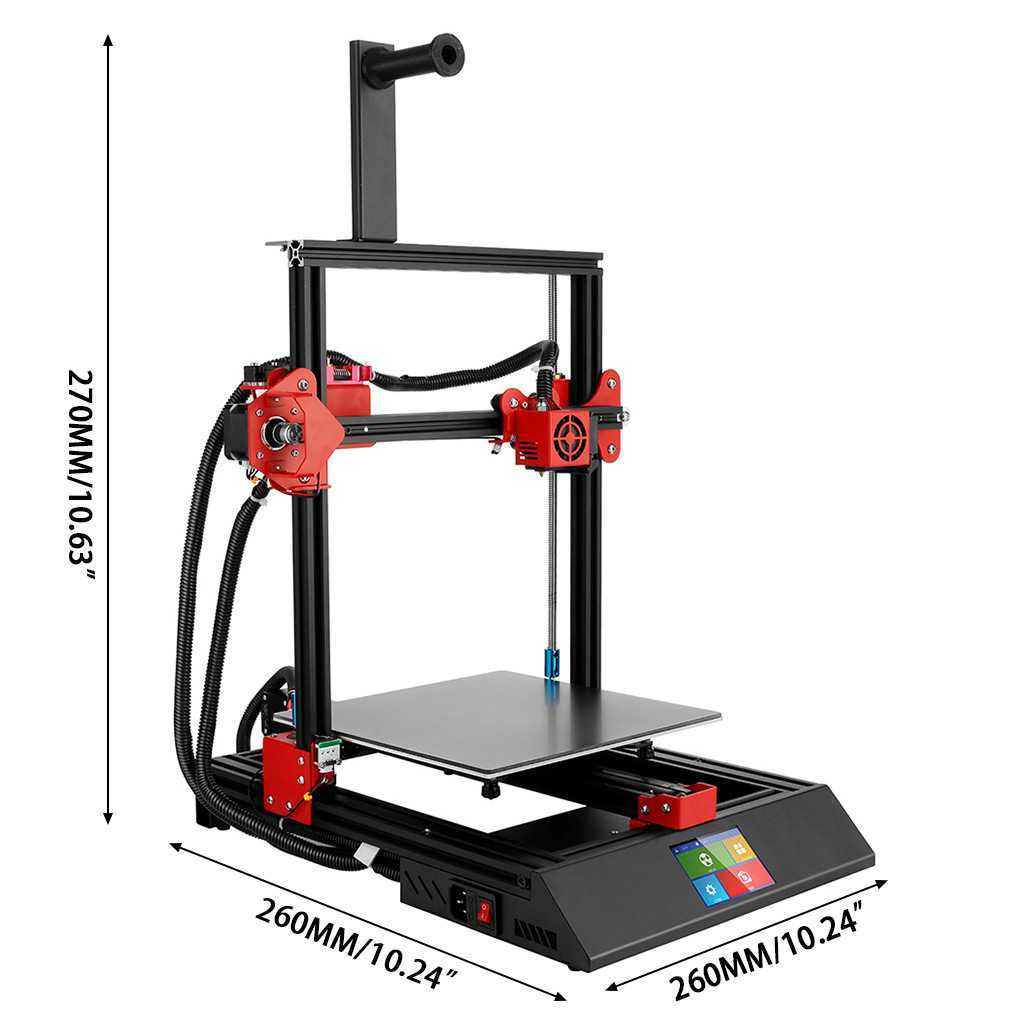
Auto-Leveling 3D Printer with 3.5″ Touch Screen — $299.00 at thesupdesk.com
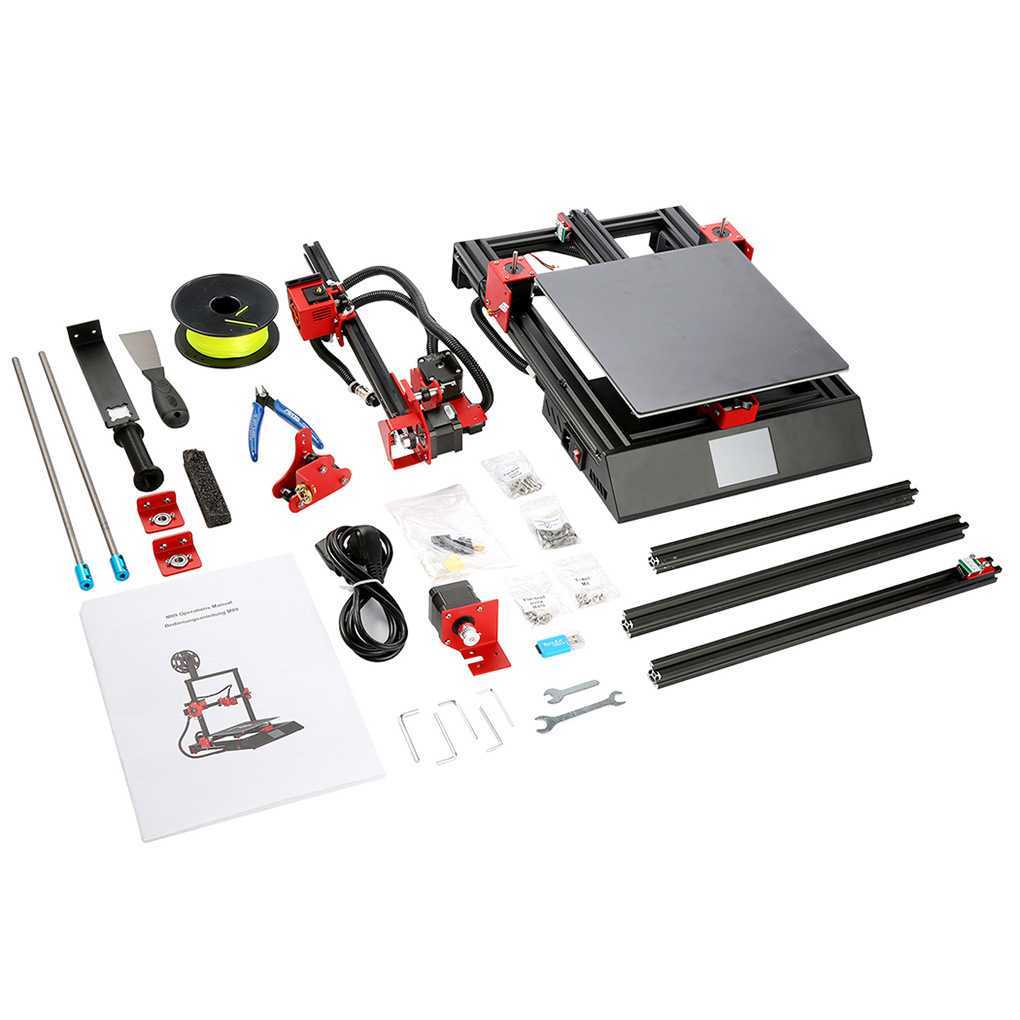
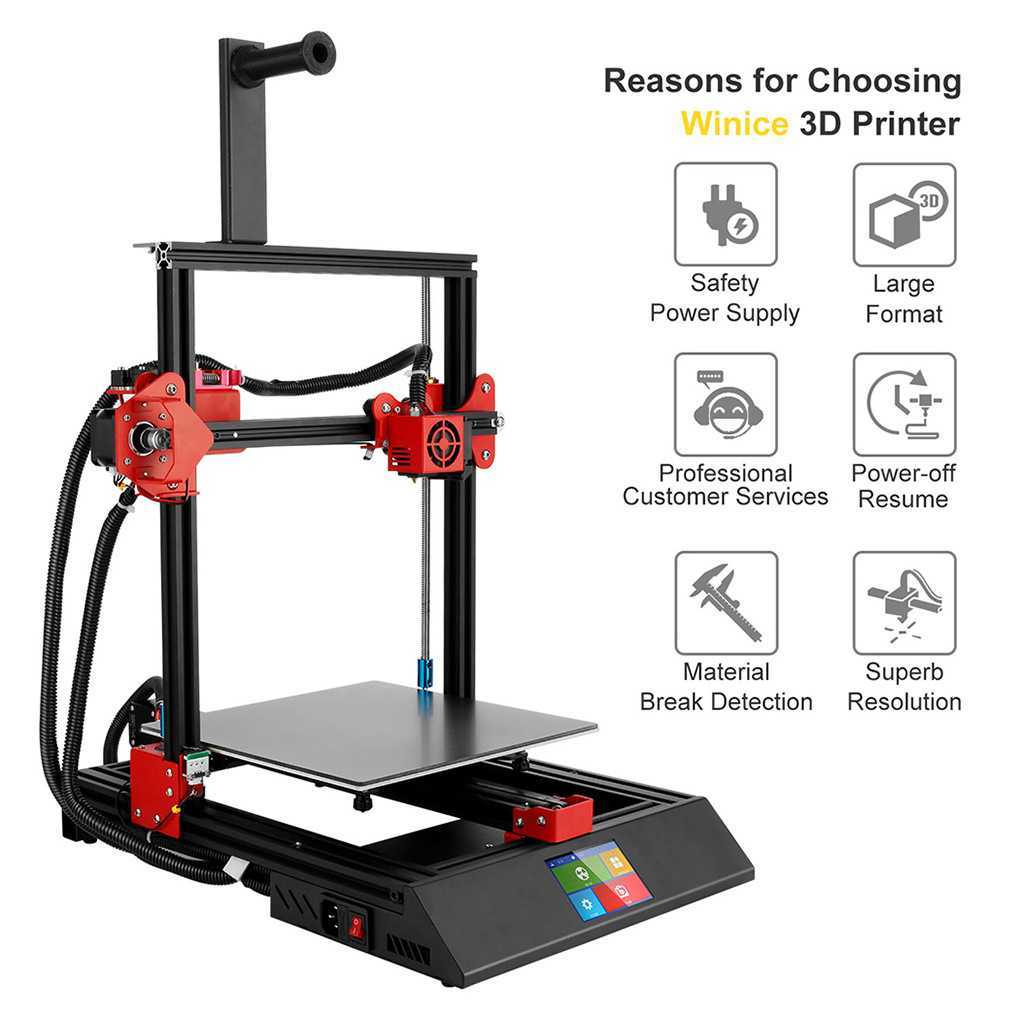
If you’re new to 3D printing and not sure you’re ready for resin’s post-processing workflow, this plug-and-play FDM printer with auto-leveling from thesupdesk.com is an excellent starting point. It’s ideal for terrain pieces, large props, and learning the 3D printing workflow before committing to resin for detailed miniature work.
→ See the Auto-Leveling 3D Printer at thesupdesk.com ($299)
FDM vs. Resin: Which Should You Choose?
| You want… | Go with |
|---|---|
| Sharply detailed minis (28–32mm scale) | ✅ Resin |
| Large terrain — dungeons, buildings, scatter | ✅ FDM |
| Minimal post-processing (just print and go) | ✅ FDM |
| Competition-quality painting base | ✅ Resin |
| Bulk printing armies affordably | ✅ Resin (more efficient at scale) |
| Printing with kids or in small spaces | ✅ FDM (safer, less mess) |
Many serious hobbyists run both: an FDM printer for terrain and large pieces, a resin printer for characters and detail work. If you have to pick one and miniatures are the priority, go resin.
→ Need an FDM printer instead? Check out our 3D Printer Buyer’s Guide: What to Get Under $200.
What You Actually Need to Get Started With Resin
Resin printing has a slightly longer setup list than FDM. Here’s the full checklist so there are no surprises:
- Wash & Cure station — prints must be washed in isopropyl alcohol (IPA) then UV-cured. A combo station (~$30–50) makes this fast. Essential.
- Nitrile gloves — uncured resin is a skin irritant. Always wear gloves when handling raw prints.
- Isopropyl alcohol (91%+) — for washing prints. A 1-gallon jug lasts months.
- Resin (1kg bottle) — standard 405nm resin works on all printers in this guide. ~$20–35/kg.
- Ventilation — print in a ventilated space or use an air purifier. Resin fumes are mild but real.
- FEP film replacements — the build plate film wears out. Buy extras upfront.
Budget an extra $50–75 for consumables on your first run. After that, ongoing costs are just resin (~$0.20/gram).
Best Resins for Miniatures
Not all resins are created equal for miniature work. These three are community favorites:
- AmeraLabs AMD-3 — ultra-low odor, excellent detail, beginner-friendly exposure settings. Best starting resin.
- Siraya Tech Blu — low shrinkage, accurate dimensions, great for larger scale pieces and busts.
- Elegoo ABS-Like Resin Pro 2 — tougher than standard resin, less brittle, good for weapon handles and thin parts.
Start with AmeraLabs AMD-3. It’s the most forgiving resin for dialing in exposure settings on a new printer.
Final Verdict
For sub-$200 resin printing in 2026, the recommendations are clear:
- Best for miniatures (detail-first): Elegoo Mars 4 Ultra — 18 micron resolution at $180 is the standard to beat
- Budget pick (value-first): Anycubic Photon Mono M5 — larger build area, nearly identical resolution, $150
- Beginner-friendly: Creality Halot-One Plus — Creality’s community support makes troubleshooting easier
Ready to build your printing setup? Browse 3D printers and printing accessories at thesupdesk.com →
3D Printer Buyer’s Guide: Best FDM Printers Under $200 (2026) — if you’re doing terrain, large props, or just starting out with 3D printing, our FDM guide covers the best budget options.
📦 3D Printer Accessories: X-Axis Belt Tensioner Upgrade Kit — $51.99 at The SUP Desk