

Buyer's Guides, Tech Gadgets
Powered Hiking Exoskeleton Buying Guide: Fit, Battery and Evidence
Oct
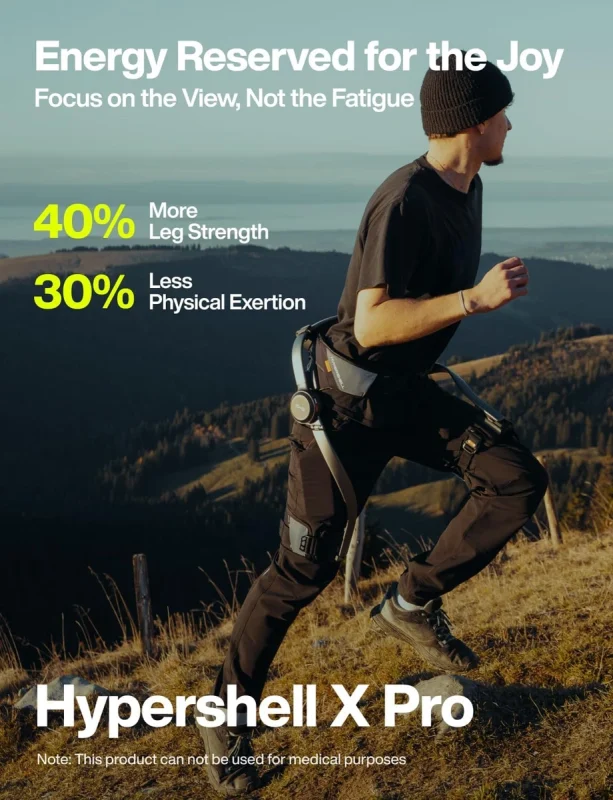
The SUP Desk’s AI-Powered Exoskeleton Suit is listed at $1,799. We cannot verify its advertised assistance, runtime or medical suitability from a model-specific manufacturer manual. Review the listing and request documentation before purchase.
Quick answer: A powered hiking exoskeleton may help a particular person perform a particular walking task, but there is no sound reason to assume every wearable marketed with “AI” will make every hike easier. Fit, assistance timing, total carried weight, terrain and battery behavior matter. Buy only after identifying the exact device and establishing that it is suitable for your intended use.
This guide explains how to assess the purchase without turning promotional claims into measured facts. The SUP Desk sells the linked product. We have not independently tested it, and this article does not recommend it for rehabilitation, treating pain, preventing falls or overcoming an unexplained walking limitation. Those are different questions from recreational equipment shopping.
First establish what kind of exoskeleton it is
An exoskeleton is a wearable structure that interacts with the body. Some are passive and redistribute forces using springs or mechanical linkages. Others use powered actuators and sensors. A system assisting hip movement is not equivalent to one supporting the knee, ankle or trunk. A product photograph or a broad name such as “suit” does not establish which joints receive assistance.
Ask for the manufacturer, exact model, serial identification, current manual and an explanation of the assistance mechanism. Find out whether the device adds energy, resists a movement, supports a load or merely provides feedback. Those distinctions determine whether it addresses your goal. If the seller cannot provide them, you do not yet have enough information for a high-value purchase.
Separate the hiking goal from the technology
Define the actual problem you want to solve. A heavy overnight pack, a long paved sightseeing day and a steep rocky descent impose different demands. A device that assists forward leg swing may not improve balance or reduce the effort of controlling a descent. More assistance in one motion can also require adjustment elsewhere in your gait.
Write a measurable goal such as completing a familiar level route with less perceived effort while maintaining normal balance. Avoid vague goals such as “walk twice as far.” Your first comparison should be against your ordinary footwear, pack and route, not against a promotional demonstration involving a different person on unknown terrain.
The current listing has claims that need documentation
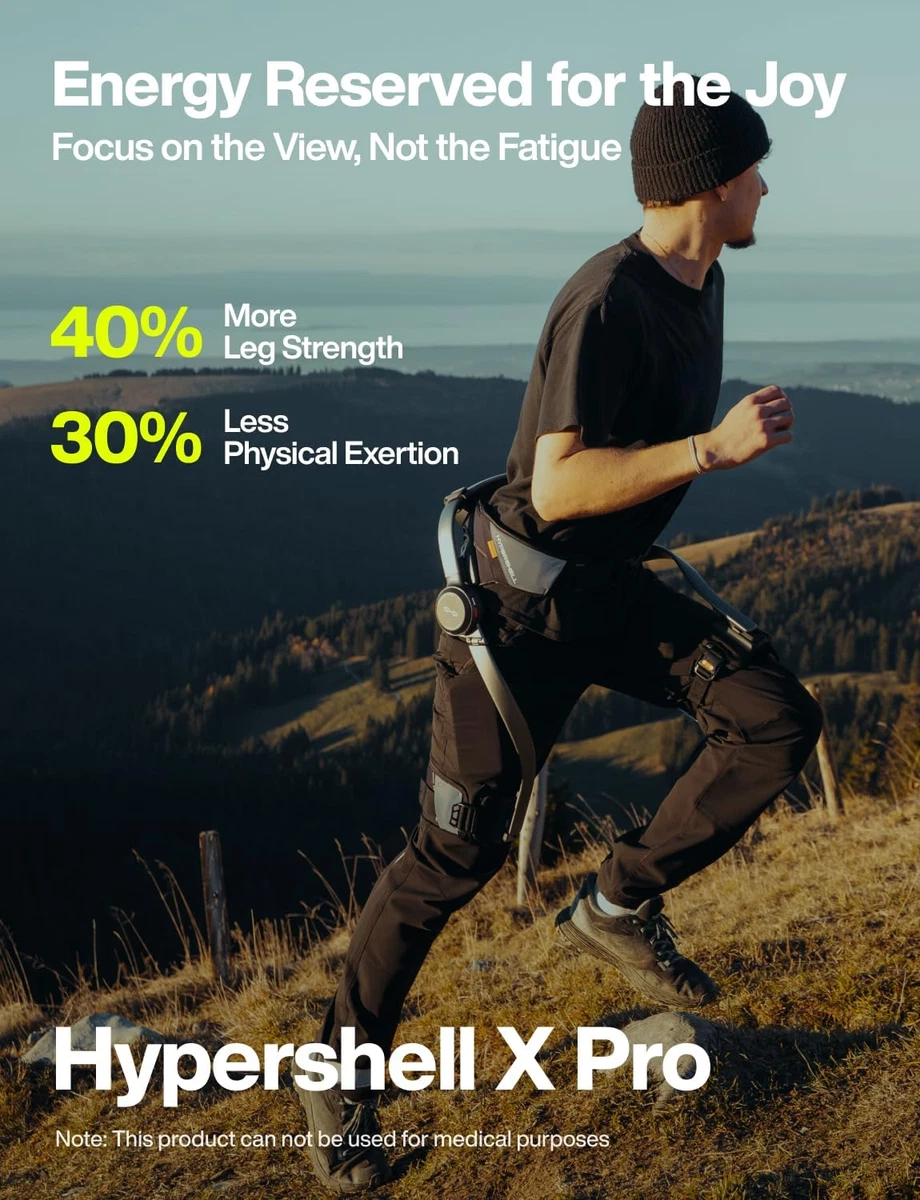
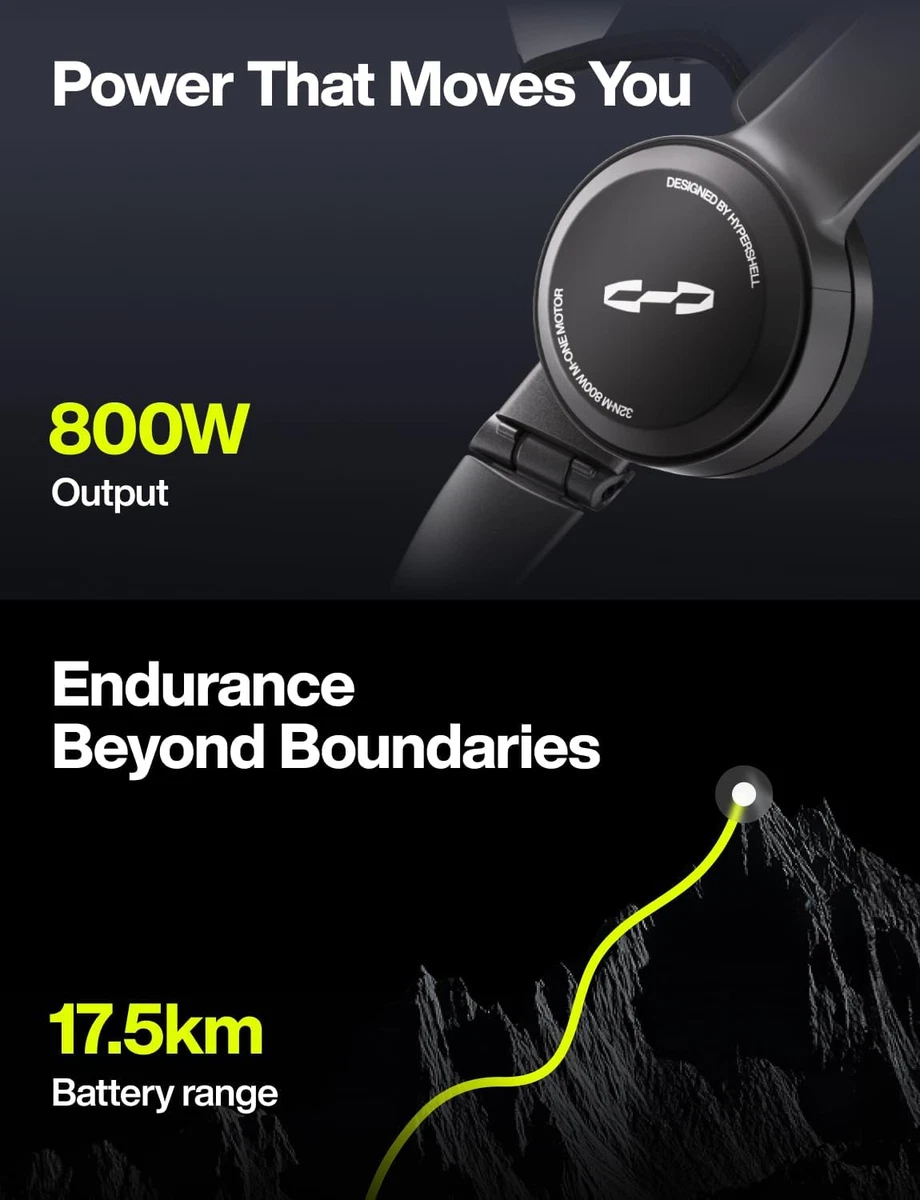
The store advertises adaptive assistance, an approximately 2kg frame, an eight-hour battery, particular motor and material specifications, and a percentage reduction in muscle effort. We did not obtain a manufacturer document or model-specific independent test substantiating those figures. They are not verified specifications for the purposes of this guide, and we do not use them to calculate your hiking range.
Before buying, request a complete operating-weight measurement including the battery, the supported fit range, environmental limits, assistance modes and test conditions for runtime. Ask for the evidence behind any percentage improvement. A claim about muscle activity is not automatically a claim about total energy expenditure, injury prevention or endurance. Those outcomes require different measurements.
Compare powered assistance with simpler alternatives
| Option | Potential role | Important limitation |
|---|---|---|
| Powered wearable | Assistance with a defined motion under supported conditions | Fit, power, control timing and documentation determine suitability |
| Trekking poles | Additional contact points and support for some walking tasks | Require technique and do not resolve every balance or terrain issue |
| Lighter pack | Reduces carried load without adding a powered system | Must preserve essential equipment and weather protection |
| Shorter or easier route | Matches the outing to present ability | Does not provide the same destination or challenge |
| Clinician-directed mobility equipment | Addresses an assessed functional or medical need | Requires appropriate evaluation rather than a retail guess |
These options are not interchangeable, and the least technological option can still be the best fit. Someone wanting hands-free recreational experimentation may value a powered device. Someone whose walking has changed because of pain or weakness needs the cause assessed rather than assuming motors are the missing piece.
Fit is a mechanical requirement
Height alone is not enough to establish fit. Leg proportions, waist and thigh measurements, adjustment range, clothing and movement patterns matter. An actuator or linkage positioned incorrectly relative to the body can produce pressure, discomfort or unexpected forces. Ask how the manufacturer instructs users to align the device and which adjustments require trained assistance.
Try the actual device with the trousers, footwear and pack you intend to use. Check sitting, stepping over a small ordinary obstacle and moving on level ground only within approved conditions. A comfortable five-minute demonstration does not prove comfort after two hours. Pressure marks, numbness, restricted movement or pain are reasons to stop and resolve the fit rather than tightening straps further.
Check backpack and clothing compatibility
A waist-mounted battery or frame can compete with a backpack’s hip belt. Shoulder straps, loose clothing and rainwear may catch on components or obstruct controls. Heat and perspiration can change comfort over time. Ask whether the manufacturer approves use with your pack arrangement and whether any adjustment transfers load in an unintended way.
For example, a daypack resting comfortably above the device may behave differently from an overnight pack loaded with food and water. Test the complete combination, not each item separately. Include the device’s battery and charger in the carried-weight comparison. A low frame-weight claim can hide a significantly heavier complete travel kit.
Battery runtime must match the route and the return
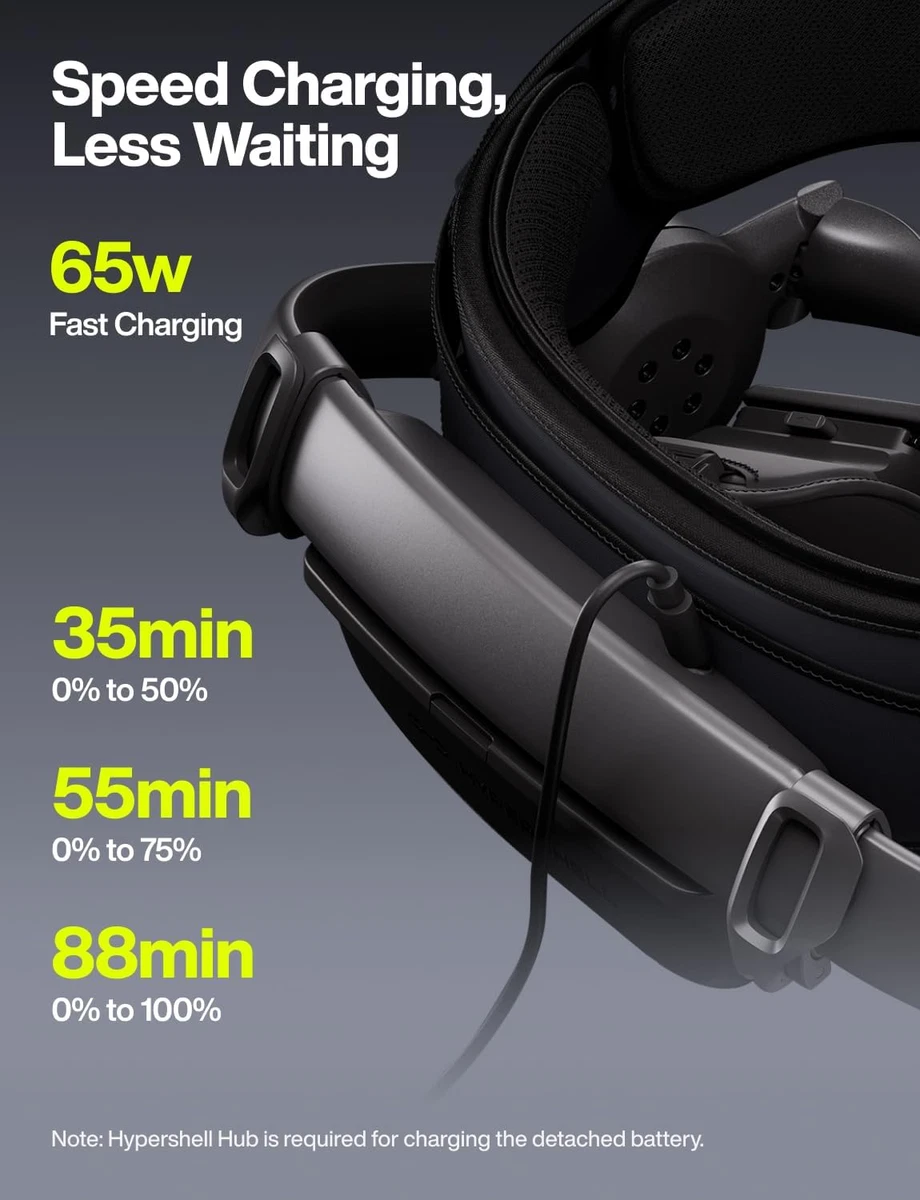
Runtime depends on assistance level, user and pack load, speed, elevation changes, temperature and the battery’s condition. An “up to” figure does not tell you what remains after a sustained climb. Ask for battery capacity in watt-hours, the tested conditions, charging time and how remaining energy is displayed. Confirm whether a replacement pack is supported and obtainable.
Do not extend a route merely because assistance makes the outward leg feel easy. You still need to return if the battery depletes or the device stops. A conservative plan assumes you can finish safely without powered help or have an appropriate supported contingency. If the system makes unpowered movement difficult, that is central to route selection, not a minor accessory issue.
Find out what happens when assistance stops
Ask whether a power-off state allows free movement, adds resistance, locks a mechanism or requires removal. Understand the response to low battery, a sensor fault, software interruption and emergency stop. Those are device-specific behaviors. Do not rely on a generic video showing another brand walking normally after its battery is removed.
Learn the approved way to stop and remove the device before taking it away from a controlled setting. Controls must remain accessible while wearing the intended pack and clothing. A companion should understand the manufacturer’s relevant emergency procedure when appropriate. Avoid inventing fault tests or disconnecting components while wearing a powered system unless the manual explicitly instructs that procedure.
Terrain and weather restrictions are decisive
A walking-assistance device should not automatically be treated as climbing, scrambling or fall-protection equipment. Rocks, roots, mud, stream crossings and narrow ledges can demand sudden movements that differ from level walking. Descending creates different loading from ascending. Confirm whether the manufacturer permits the specific terrain and activity rather than extrapolating from a smooth-trail demonstration.
Water resistance needs equally precise treatment. A splash rating, if verified, does not imply safe immersion, pressure washing or operation in every storm. Ask about operating temperature, battery exposure, drying and cleaning. If environmental limits are unavailable, do not assume the equipment is appropriate for an outing where rain, dust or heat is likely.
What independent evidence would be useful?
Look for testing of the exact model, with a clear comparison between assisted and unassisted conditions. Useful outcomes include measured metabolic cost, walking speed at a controlled workload, comfort, adverse events and performance across more than one participant. Tests should describe user characteristics, terrain, assistance setting and device weight. A general paper about wearable robotics does not validate a particular retail product.
A percentage reduction in one muscle’s electrical activity can be interesting without establishing reduced whole-body effort. A faster walk can also consume more energy. Ask what changed, how it was measured and whether the comparison included the burden of carrying the device. Prefer transparent methods and relevant participants over a dramatic headline percentage.
Medical and workplace uses require different checks
Recreational hiking equipment is not automatically an approved medical device. Marketing that mentions rehabilitation does not establish regulatory clearance, an appropriate indication or suitability for your condition. If the goal involves recovering from injury, treating pain or compensating for impaired walking, consult an appropriately qualified clinician and ask for the exact device’s applicable regulatory documentation.
Workplace use adds employer risk assessment, training, compatibility with other equipment and task-specific requirements. A hiking demonstration does not prove safe lifting capacity in a warehouse. Do not increase a carried load because an advertisement mentions “strength amplification.” The device’s documented intended use and the employer’s safety process must determine the task, not an unverified retail specification.
A low-risk evaluation plan before a remote outing
Start with identity, manual, fit and support verification. If those are satisfactory, follow the manufacturer’s setup and introductory-use instructions in a controlled setting. Keep the first sessions short and focused on ordinary supported movement. Record comfort and control issues rather than judging only the first impression of added power.
Next, compare a familiar easy route with and without the device on separate suitable occasions. Keep footwear, load and pace comparable. Note perceived effort, stops, battery use and any discomfort afterward. This personal comparison is not a clinical trial, but it can reveal practical problems. Do not escalate distance or terrain until the documentation and your experience both support the change.
Understand the total cost and support commitment
The checked listing price is $1,799, but ownership may include replacement batteries, straps, consumable contact pads, shipping for service and a compatible charger. Ask who performs repairs, where the equipment must be sent and what happens if software or app support ends. Confirm whether basic operation requires an account, subscription or continuing phone connection.
Read warranty and return terms for the actual product and seller, including whether a fitted or used wearable can be returned. Do not assume a sitewide promotional badge settles those details. Request written confirmation of package contents and support arrangements. Keep the order record and the specifications on which the purchase decision was based.
Frequently asked questions
Will an exoskeleton make hiking effortless?
No. Assistance with a particular motion does not eliminate cardiovascular effort, balance demands, heat, altitude or the need to carry equipment. The device itself adds weight and complexity. Judge a documented model against a specific task, and do not use advertising language to plan a route beyond your unassisted capabilities.
Can I rely on the advertised eight-hour runtime?
Not without model-specific documentation and relevant test conditions. We have not verified that figure for the linked listing. Ask for capacity, assistance level, load and terrain used in the test. Plan for reduced runtime and a safe return if power becomes unavailable.
Is it appropriate for knee pain or rehabilitation?
That cannot be determined from a retail description. Different causes of pain or impaired walking require different assessments. Do not infer a medical indication from “AI” or “assist” language. Obtain clinical advice and the exact device’s regulatory and intended-use information before considering it for that purpose.
Will it help on the downhill section?
Possibly only if the exact system is designed and approved for that task. Uphill propulsion and controlled descent are different functions. Ask whether the device assists, resists or disengages during descent and what slopes and surfaces are permitted. Do not discover that behavior for the first time on a steep trail.
Can I buy it for someone else?
Only after involving that person in fit, intended-use and support decisions. Body proportions and comfort make this a poor blind gift. If the intended recipient has a medical limitation, involve an appropriate clinician. Confirm return eligibility before ordering equipment that may not fit or serve the intended purpose.
Buying verdict: documentation before enthusiasm
A well-documented powered wearable may interest an informed recreational user, but the linked listing lacks enough verified model-specific evidence for us to recommend it for strenuous hiking or medical use. Review the exoskeleton product page and request the manual, manufacturer identity and evidence before making a purchase decision. For filming ordinary trail outings, our Insta360 X3 guide addresses a different outdoor-equipment choice without implying mobility benefits.
Sources and evidence limits
Consult the FDA medical-device resources and its 510(k) database when a seller makes a U.S. medical-clearance claim. Search by the actual manufacturer and device, not a broad retail title. These resources do not establish clearance for this listing. Store price and associated media were checked October 30, 2026; performance, materials, runtime and medical claims remain unverified.